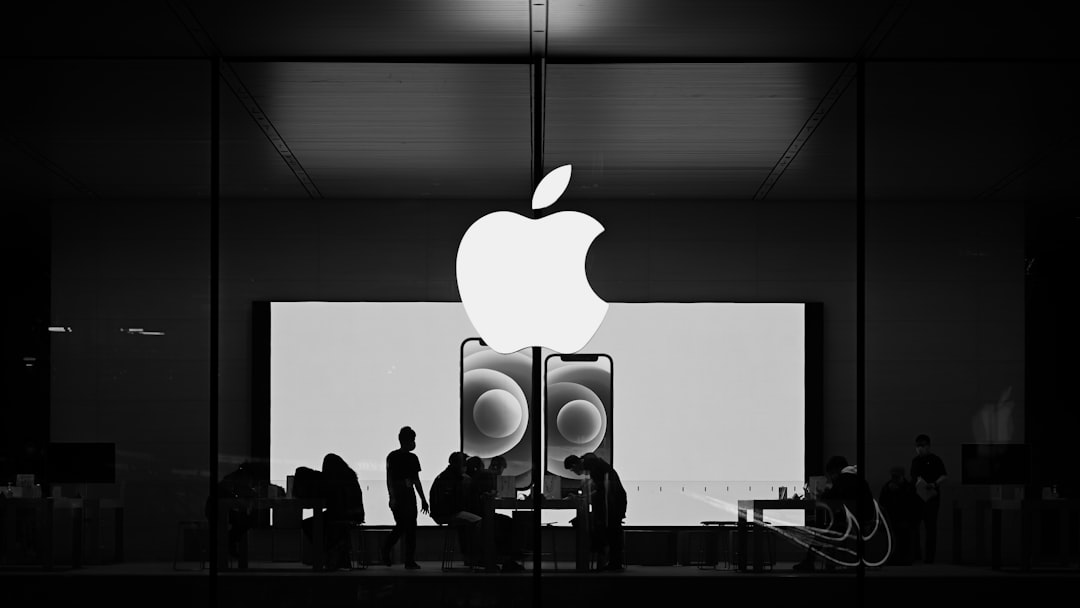
Apple held its latest product event this week, unveiling new hardware across multiple categories and announcing software timelines. Here's what launched, what costs, and what matters for your devices.
What Apple Announced
The company revealed updates to its iPhone, iPad, and Mac lineups, along with new wearables and software features rolling out across its ecosystem. New models include upgraded processors, improved camera systems, and refined displays. Specific details on chip improvements and battery performance came from the release notes and technical specs published on Apple's site.
Apple also confirmed availability windows for iOS, iPadOS, and macOS updates, with public beta releases beginning in the coming weeks. The company detailed new AI-powered features built into its devices, focusing on on-device processing rather than cloud computation.
Pricing and Availability
Entry-level models start at competitive price points matching last year's positioning. Higher-end configurations with additional storage or cellular connectivity carry premium pricing, ranging from mid to high four figures depending on configuration. Pre-orders begin this Friday, with general availability the following week.
Apple's trade-in program remains active, offering credit toward new purchases. Financing options through Apple Card or carrier partners are available at launch.
Why It Matters
These updates signal Apple's continued investment in hardware refresh cycles and its push toward integrated software-hardware experiences. The focus on on-device AI processing addresses privacy concerns in an era of cloud-dependent AI features—a competitive differentiator against rivals relying on server-side computation.
For existing users, the question is whether the upgrades justify replacement costs. Performance gains are incremental rather than revolutionary. Camera improvements and battery efficiency matter most for heavy users; casual users may find current-generation devices sufficient for another year or two.
For developers, the new software APIs and capabilities unlock fresh integration opportunities. Apps leveraging on-device AI features will need updates to access these tools, creating a development window over the next few months.
Hardware Specifics
The new iPhone models feature faster processors with improved thermal management, enabling sustained performance during intensive tasks. Camera upgrades include better low-light performance and new computational photography modes. Screen technology remains largely unchanged, though brightness and color accuracy improve marginally.
The iPad refresh targets the middle of Apple's lineup, with the standard model receiving the company's latest chip. The Pro model gains minimal changes—primarily a processor bump and storage options. For most users, the standard iPad remains the better value proposition.
Mac updates arrive in both laptop and desktop configurations. The new chips promise faster CPU and GPU performance, with efficiency gains that extend battery life on laptops. Thermal improvements allow sustained high performance without aggressive fan noise.
Software Roadmap
Apple confirmed its software release schedule: iOS and iPadOS updates arrive in September, macOS in October. Public betas launch next month, allowing developers and enthusiasts to test features early. The company emphasized stability and privacy in its messaging around these releases.
New AI features integrate across apps and system functions. Voice assistant capabilities expand, with improved natural language understanding. Photos app gains new organization tools powered by on-device machine learning. Mail and Messages get productivity features aimed at reducing notification fatigue.
Competitive Context
Analysis: Apple's positioning emphasizes privacy and integration as differentiators against Android and Windows competitors. On-device processing removes reliance on cloud infrastructure, appealing to privacy-conscious users. However, this approach limits AI capability compared to cloud-powered systems from Google and Microsoft, which leverage larger compute resources.
Pricing remains premium relative to Android flagships with comparable specs. Apple's ecosystem lock-in—the value of owning multiple Apple devices—justifies the premium for existing users but raises barriers for switchers. The broader shift in how people work and live with technology is also reshaping device priorities, and is remote work killing office culture is a question that increasingly influences which features buyers prioritize in new hardware.
What's Next
Developers should prepare for new API availability in the coming weeks. App updates supporting new features should roll out before general device availability to ensure smooth user experience at launch.
Consumers considering upgrades should wait for independent benchmarks and user reviews before deciding. Early adopters may find value in new features; others should assess whether their current devices meet their needs for another year.
Apple's services revenue remains a key financial driver. These hardware updates enable new services opportunities—expanded cloud storage, fitness tracking integration, and AI-powered features bundled into subscriptions. Watch for pricing announcements around service bundles in coming weeks.
The company faces ongoing scrutiny over repairability and right-to-repair issues. These hardware updates don't address those concerns, likely keeping pressure on Apple from regulators and advocacy groups focused on device longevity and sustainability.
Market watchers should monitor early sales data and user adoption rates. Carrier partnerships and retail promotions will influence uptake. Analyst estimates suggest modest growth compared to last year, reflecting a mature smartphone market where upgrades are driven by feature desire rather than necessity.