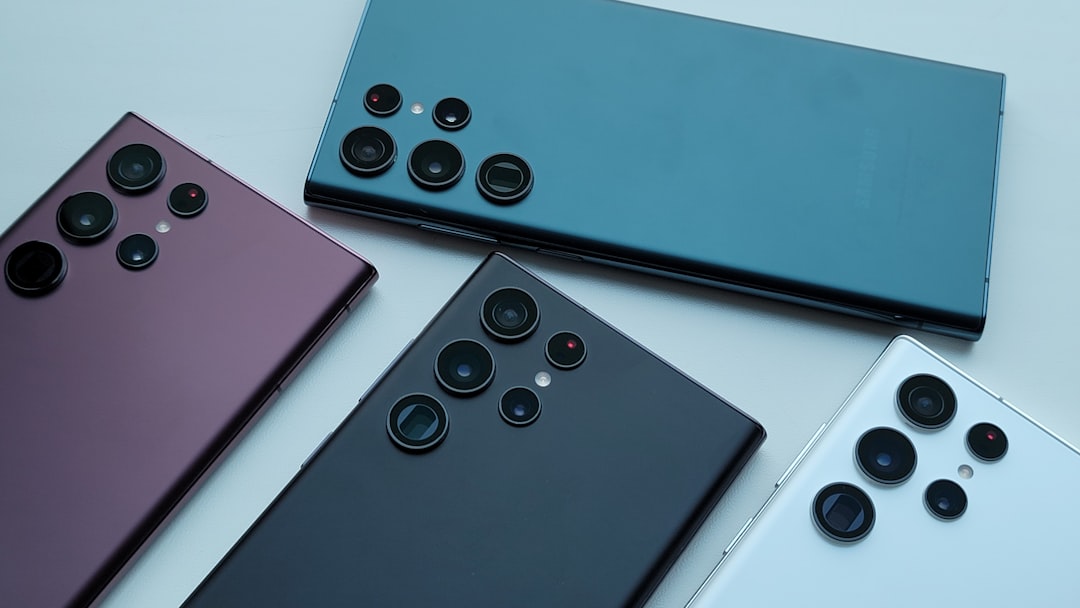
Apple, Samsung, Google, and OnePlus all released flagship smartphones in 2024, each claiming incremental but meaningful improvements over 2023 models. The year's releases focused on AI integration, camera refinement, and battery longevity rather than radical redesigns.
iPhone 16 Series Lands with Apple Intelligence
Apple released the iPhone 16, 16 Plus, 16 Pro, and 16 Pro Max in September 2024, powered by the A18 and A18 Pro chips. The flagship models introduced Apple Intelligence—on-device AI features including writing tools, photo cleanup, and Siri enhancements—though many features remained in beta through year-end.
The Pro models feature a 5.3-inch (Pro) and 6.9-inch (Pro Max) display, titanium frames, and improved thermal management. Camera upgrades include a 12MP ultra-wide lens with autofocus and a new 12MP 5x telephoto on the Pro Max. Battery life claims reached 33 hours on Pro Max models.
Analysis: The A18 Pro delivers measurable performance gains, but the real story is Apple's pivot toward on-device AI. The company bet that privacy-first processing would differentiate it from competitors chasing cloud-based AI. Early reviews noted solid execution, though the feature set felt incomplete at launch.
Samsung Galaxy S24 Ultra Pushes AI and Zoom
Samsung launched the Galaxy S24 series in January 2024 with the Snapdragon 8 Gen 3 (US) and Exynos 2400 (international). The S24 Ultra, the flagship, housed a 6.8-inch display, 16GB RAM, and up to 1TB storage. Samsung's Galaxy AI suite included generative features for photos, note summarization, and call transcription.
The camera system featured a 200MP main sensor, 50MP 5x telephoto, and 10MP 3x periscope lens—the latter enabling 100x zoom (digital). The 5,000mAh battery supported 45W fast charging. Samsung also introduced the Galaxy Ring, a wearable health tracker, alongside the phones.
Analysis: The S24 Ultra's zoom capability pushed Android flagships forward, though reviews noted that 100x zoom remained more gimmick than everyday tool. Galaxy AI features were functional but less cohesive than Apple's offering; Samsung relied heavily on cloud processing, raising privacy questions among some users.
Google Pixel 9 Series Doubles Down on Computational Photography
Google released four Pixel 9 models in October 2024: the standard Pixel 9, Pixel 9 Pro, Pixel 9 Pro Fold, and Pixel 9 Pro XL. All ran Android 15 and used Google's custom Tensor G4 chip. The Pro and Pro XL featured 6.3-inch and 6.8-inch Super Actua OLED displays with 3,000 nits peak brightness.
Camera upgrades included a 50MP main sensor with improved low-light performance, 42MP ultra-wide, and 10MP and 5x telephoto lenses. Google Gemini, the company's AI assistant, integrated directly into the camera app for real-time translation, summarization, and image analysis. The Pixel 9 Pro Fold offered a 5.8-inch outer and 8-inch inner foldable display.
Battery capacity ranged from 4,700mAh (Pixel 9) to 5,060mAh (Pixel 9 Pro XL), with claims of 8+ years of security updates and 7 years of OS updates—the longest commitment in the industry.
Analysis: Pixel 9's strength remains computational photography and AI integration. The Tensor G4 is not the fastest chip on paper, but Google's software optimization made real-world performance competitive. The foldable refresh addressed durability concerns from earlier iterations, though the category remains niche.
OnePlus 12 and 13 Target Performance Enthusiasts
OnePlus released the OnePlus 12 in December 2023 (China) and January 2024 (global), followed by the OnePlus 13 in October 2024. Both used Snapdragon 8 Gen 3 Leading Version (OnePlus 13) and featured 6.7-inch displays with 120Hz refresh rates and LTPO technology.
The OnePlus 13 added a 50MP main camera with larger sensor, 50MP ultra-wide, and 50MP 3x telephoto. The phone shipped with Oxygen OS 15, built on Android 15, emphasizing customization and minimal bloat. Battery capacity reached 6,000mAh with 100W fast charging and 50W wireless charging.
Analysis: OnePlus maintained its position as the enthusiast alternative to Samsung—faster updates, cleaner software, strong performance. The OnePlus 13 arrived late in the year but signaled the company's commitment to refresh cycles and competitive pricing.
Why It Matters
The 2024 smartphone landscape revealed a shift in upgrade priorities. Rather than chasing incremental megapixel or speed gains, manufacturers invested in AI features, battery efficiency, and durability. Apple's on-device AI, Samsung's zoom capability, Google's computational photography, and OnePlus's software agility each represent different bets on what consumers value.
For buyers, this meant the flagship phone you chose in 2024 increasingly depended on software ecosystem preference (iOS vs. Android) and which AI approach aligned with your privacy comfort level. If you're also managing a Windows device alongside your phone, you may want to look into how to turn off Windows 11 ads and bloatware to keep your broader tech setup just as clean. The price floor for flagship phones remained $800–$1,300, with foldables and ultra-premium Pro Max variants reaching $1,500+.
The 2024 releases also highlighted supply chain stability. Unlike 2021–2023, when chip shortages drove delays, all major flagships launched on or near their announced dates. This consistency suggests the semiconductor market has normalized post-pandemic.
What's Next
Looking ahead, 2025 will likely see refinement of 2024's AI features. Apple will expand Apple Intelligence as beta constraints lift. Samsung and Google will deepen Gemini and Galaxy AI integration. OnePlus may introduce its own AI layer or deepen partnerships with Qualcomm.
Foldable phones are expected to see wider adoption, with Samsung, Google, and others launching updated models. Battery technology—solid-state and graphene variants—may start appearing in premium devices. Camera innovation will probably focus on low-light performance and video stabilization rather than zoom range.
For consumers, the advice remains consistent: upgrade if your current phone no longer meets your needs or if the AI features align with your workflow. If you're switching to Android, the guide on digitalwarga.id covers how to back up your Android data automatically before making the move. Otherwise, 2024's flagships will remain capable through 2025 and beyond.